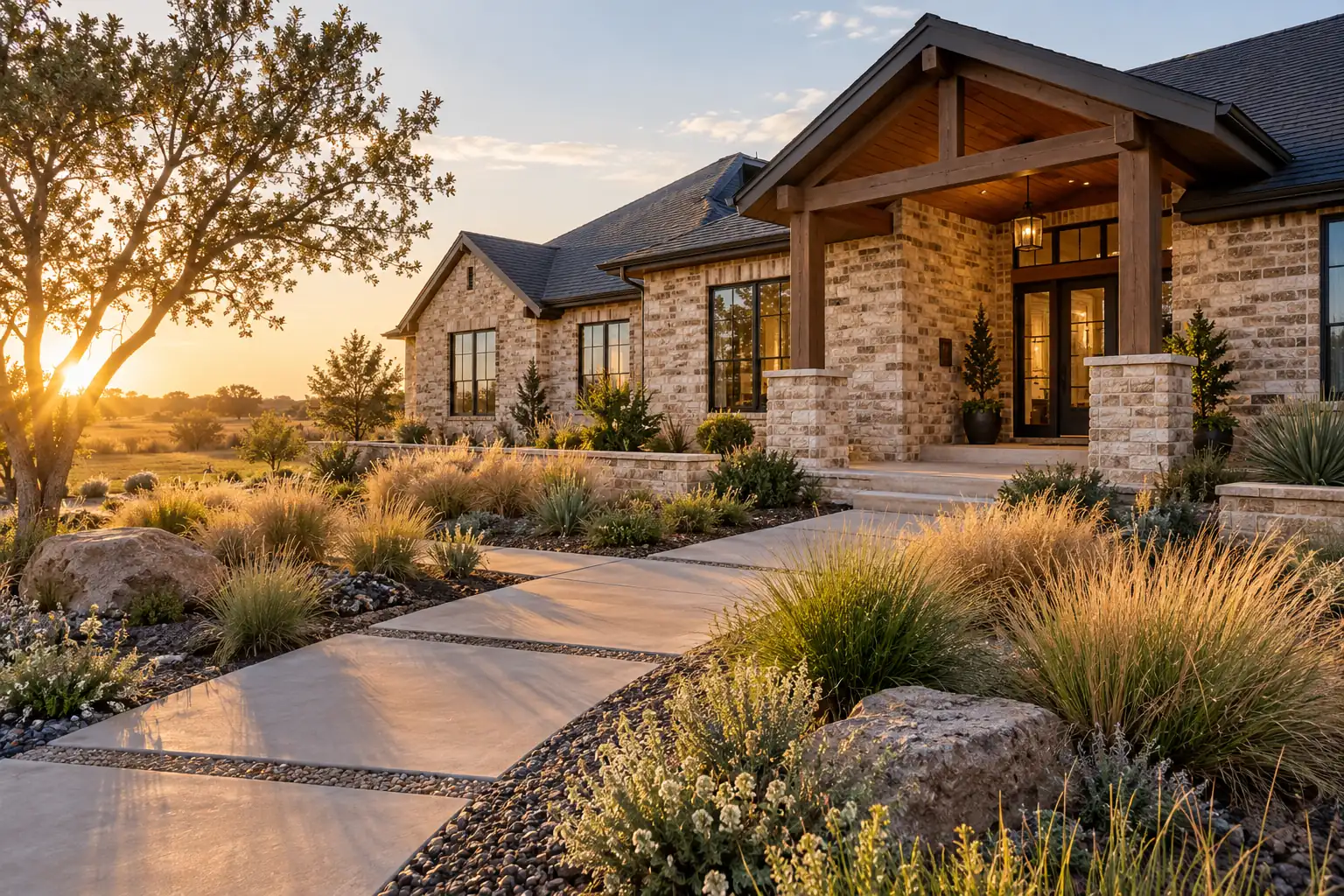
Cities and communities covered
The table lists the home city and the nearby communities where requests are accepted. The provider confirms each property address.
| City | Role | How coverage is confirmed |
|---|---|---|
| Amarillo | Home city | Confirmed by property address |
| Canyon | Nearby community | Confirmed by property address |
| Bushland | Nearby community | Confirmed by property address |
| Lake Tanglewood | Nearby community | Confirmed by property address |
| Washburn | Nearby community | Confirmed by property address |
| Wildorado | Nearby community | Confirmed by property address |
| Umbarger | Nearby community | Confirmed by property address |
How coverage is confirmed
A listed ZIP code is a starting point. When you call or send a request, the provider asks for your street address, the property type and what you need, then confirms whether it can serve you and when. The provider may serve only part of a ZIP code or part of a city, so the confirmation matters.
If your ZIP code is not listed, you can still send a request. The provider will say whether it can help or point you to another business.
What changes the scope of the work
Even between houses a few doors apart, pest control is not a one-size plan. Look for a written scope that lists the conditions found at your property and explains what each condition meant for the amount of work proposed.
Ask the provider to separate one-time work from recurring visits, and to list anything they could not inspect. A scope that names the attic, crawl space, garage or fence line you worried about is easier to compare than a flat package.
- Whether you want a single treatment or an ongoing plan with scheduled visits
- How far the problem has spread and how long it has been active
- Number of entry points, gaps around pipes and cracks in the foundation or siding
- Size and age of the home, and whether it sits on a slab, a crawl space or a basement
- Access to attics, wall voids, sheds, outbuildings and the yard
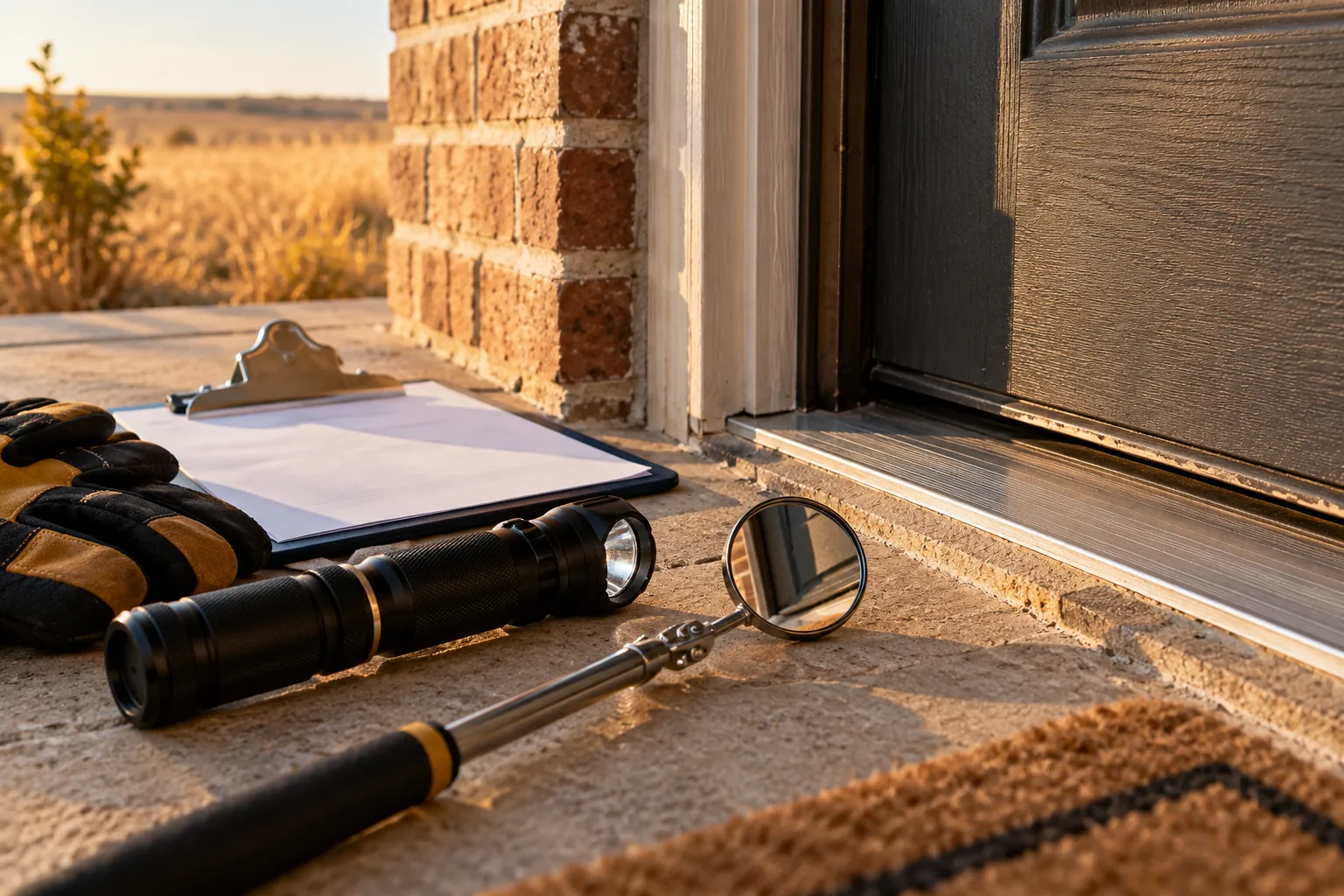
Safety for children, pets and food
Pest products are regulated. In the United States each product carries an EPA-registered label, and the label is the legal instruction for where and how it can be used. Ask the provider for the product name and the label, and keep the paperwork you are given.
Bait placed inside tamper-resistant stations cannot be reached by children or pets, and gel bait belongs in cracks and voids rather than on exposed countertops. Because waiting times before re-entry vary from product to product, find out when the kitchen, play areas and pet bowls are safe to use again, and put toys, bowls and food away ahead of the appointment.
Questions to ask before you agree to any pest control
- What species or problem did you find, and what did you see that proves it?
- Which products, baits or devices will you use, and where will they go?
- What will you seal, remove or fix, and what stays my job?
- Who is on site, and can you show the state licence or applicator ID for the work?
- What will you write down for me: scope, exclusions, follow-up and product list?
- How many visits are in the plan, and what happens if activity returns?
Prepare your Amarillo home before the visit
Getting ready takes less effort than most people expect. A few small steps speed up the inspection, help the product do its job, and leave your rooms mostly as they are.
- Tell the provider about pets, fish tanks, asthma, pregnancy or any health concern in the home so the plan fits.
- Clear a path to the garage, water heater, under-sink cabinets, attic hatch and crawl space door.
- Put away food, pet dishes and children's toys from the rooms being treated.
- Write down where you saw activity, what time of day, and when it started. Take clear photos or save a sample in a sealed bag.
- Fix a dripping tap or wet spot you know about. Moisture feeds most household pests.
What makes pest control different in Amarillo
Amarillo is a High Plains city with wind, hail, cold winters and hot dry summers, and many older brick homes and slab foundations. Playa lakes and irrigation put standing water around the city after rain and support mosquitoes.
Cold nights push mice and spiders into garages and homes in fall. Termites are active in Texas, and wood near soil or leaks raises the risk. What works in one climate or housing style can fall flat in the next, so ask each provider to explain how these local details shape the plan for your property.
How a pest control visit works, step by step
A good visit follows the same order every time, whatever the pest. Knowing the order helps you compare what each company offers and spot a visit that skips the first two steps.
- Inspection: the technician walks the outside first (foundation, vents, utility lines, eaves, fence lines, mulch) and then the inside (kitchen, bathrooms, garage, attic or crawl space).
- Identification: the species is named from the insect, droppings, damage or trail, because the right product and method depend on it.
- Plan: the provider explains what will be done, which products or devices will be used, and what you need to do before and after.
- Treatment or exclusion: the work is done in the places the inspection found, not by spraying every room.
- Follow-up: you get a date for the next check and a clear answer on what to report if activity returns.
Seasons across the Amarillo area
Ants and wasps are active in warm months, mosquitoes follow rain, and mice and spiders move indoors as nights cool.
| Season | What to watch | What to do |
|---|---|---|
| Spring | Termite swarms, ants, wasps starting nests | Inspect the foundation, treat early nests, trim plants back |
| Summer | Mosquitoes, cockroaches, fire ants, scorpions | Remove standing water, treat the perimeter, seal door gaps |
| Fall | Rodents and spiders looking for shelter | Seal gaps, screen vents, set traps and clear clutter |
| Winter | Rodents in attics and garages, indoor roaches | Check insulation and noises, plan repairs for spring |